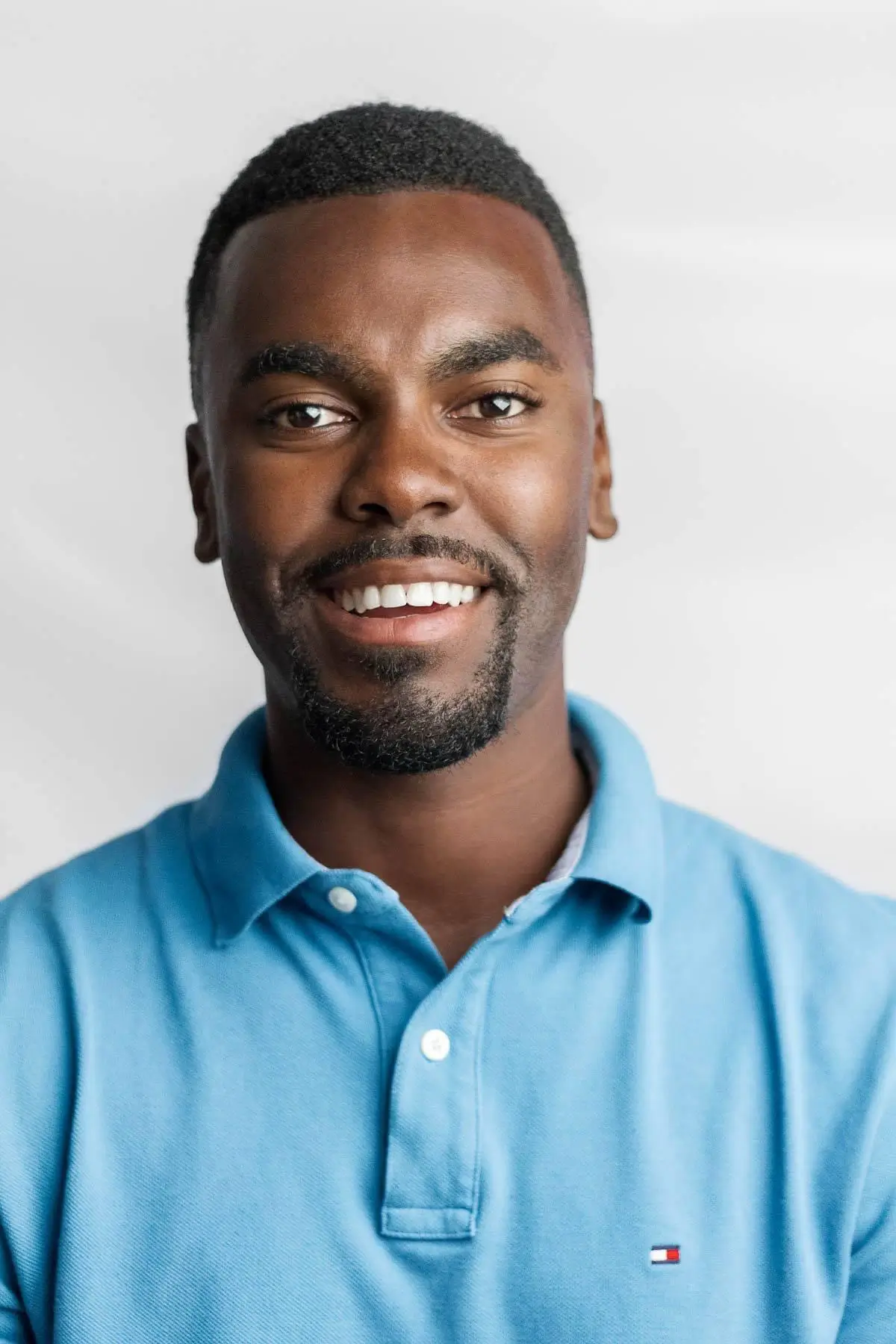
A born-and-bred Bahamian, Captain Khalil Bethel has turned his love of the sea into a career. Currently at the helm of a 60-meter yacht, Bethel brings his experience, training and passion for his job to both crew and guests. “When approached with humility and intention, yachting allows you to experience the very best life has to offer from a vantage point most people will never access; one that blends hard-earned professionalism with extraordinary experiences and transforms the work into something far greater than just a job,” he says. We spoke with Bethel to learn more about what inspires him, what challenges him and what it means to be a captain.
Paradise Island Life: How did you get into yachting, and what inspired you to become a captain?
Khalil Bethel: My father, the late Felix Bethel, believed deeply in the value of real-world experience. Summer jobs during high school were not optional in our household; they were a rite of passage, a way of grounding ambition in effort and perspective.
Those early jobs were varied and formative. Eventually, I found my way to a dive shop, where my path began to crystallize, and I earned my PADI Open Water Scuba Instructor rating. That summer at Stuart Cove’s Dive Bahamas, in particular, marked a turning point. It was there that I fell in love with the sea — not just as a place of beauty, but as a realm of possibility. The discipline, freedom and responsibility that came with life on and around the water resonated deeply with me. As I continued to build seamanship skills and attained the highest locally available captain’s license, a quiet restlessness set in. I knew there had to be more beyond the horizon.
While working at a hotel and watching the yachts move in and out of the marina, that curiosity intensified. Each vessel represented another world — another level of professionalism, scale and opportunity. What began as observation soon became aspiration, and that moment of curiosity would ultimately shape the course of my career at sea.
PIL: What is the most challenging aspect of your job, and how do you navigate it?
KB: Aside from remaining legally, morally and operationally accountable for everything that happens onboard, I believe that handling people is always and will always be the most challenging aspect of any job, with special regard to the maritime sector. When you create a microcommunity where you live in your workplace and you cohabit with different nationalities, some things that seem simple and logical aren’t because of a plethora of topics, which could be age, background, etc. In yachting, the crew makes the guest experience, and the vessel operations reflect the crew, so I try my best to balance people’s needs, management/owner and guest objectives all while keeping operations safe and transparent.
Our guests deserve the utmost attention and respect. Regardless [of] if it’s the vessel owner or charterer, special regard must be paid to the fact that they’ve chosen either the vessel or the crew for their time away from home and spent a small fortune to make that happen. We have to make sure that even on a bad day, mistakes and operational difficulties are invisible, and if things go wrong, it’s a singular event.
PIL: What is your favorite destination and why?
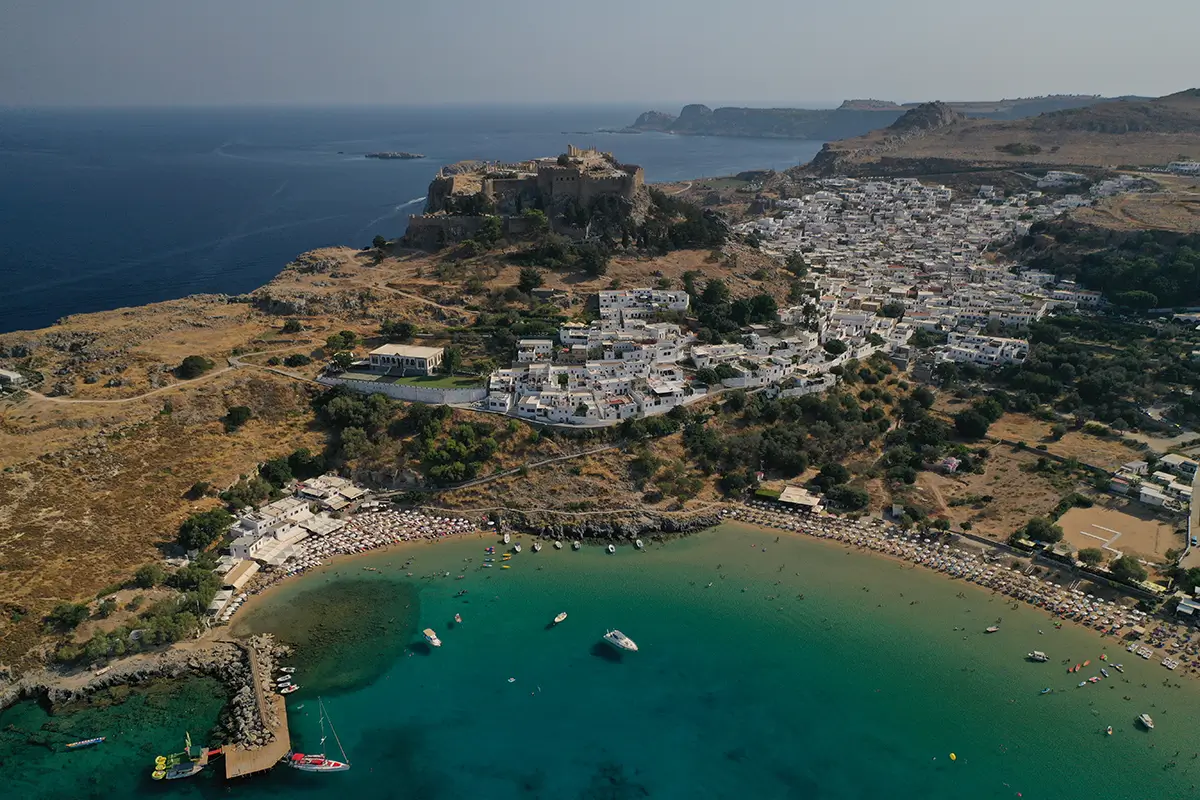
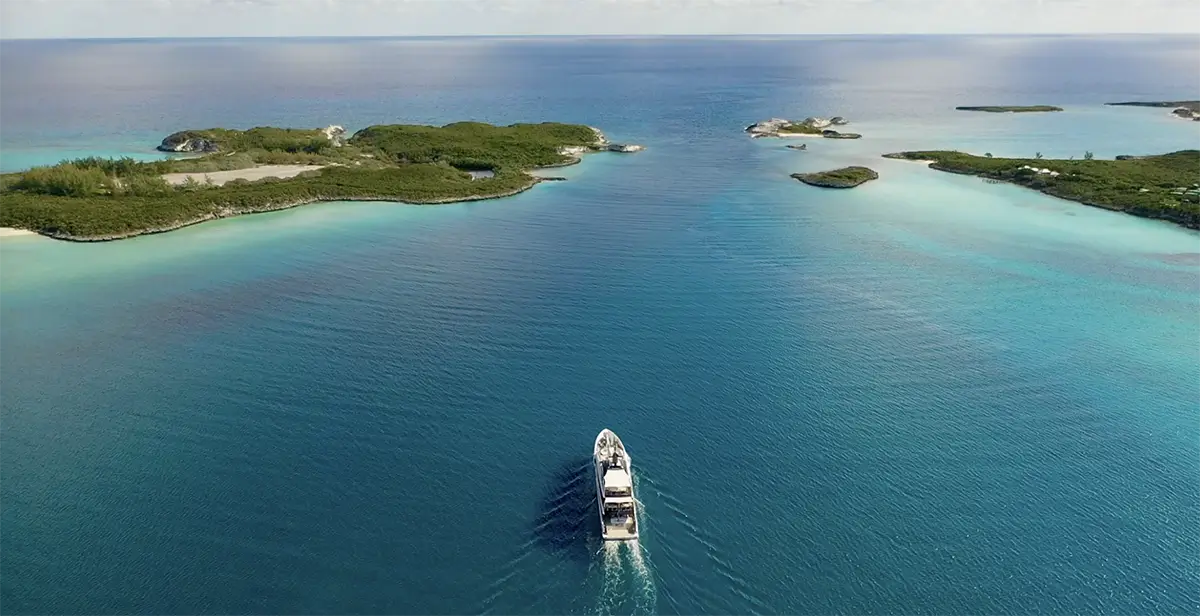
KB: I wouldn’t be Bahamian if I didn’t say there is no place like home — The Bahamas. I enjoy the peace and beauty that you can only experience by boat in The Bahamas, looking up at night and seeing stars as far as your eyes can register.
PIL: You have achieved a lot at a young age. What are you looking forward to as you continue in your yachting career?
KB: I’m looking forward to making a meaningful, positive impact for the true professionals in yachting — those who uphold the highest standards of seamanship, integrity and professionalism, often without recognition. My aim is to contribute to a culture that values competence over optics, experience over shortcuts, and long-term stewardship over short-term gain. By supporting the people who quietly keep vessels safe, compliant and operating at an exceptional level, I hope to help elevate the industry as a whole — creating space where dedication, skill and accountability are not only expected, but genuinely rewarded.
PIL: You scuba dive in your free time. How has that been a part of your life, and how often are you able to find time to dive?
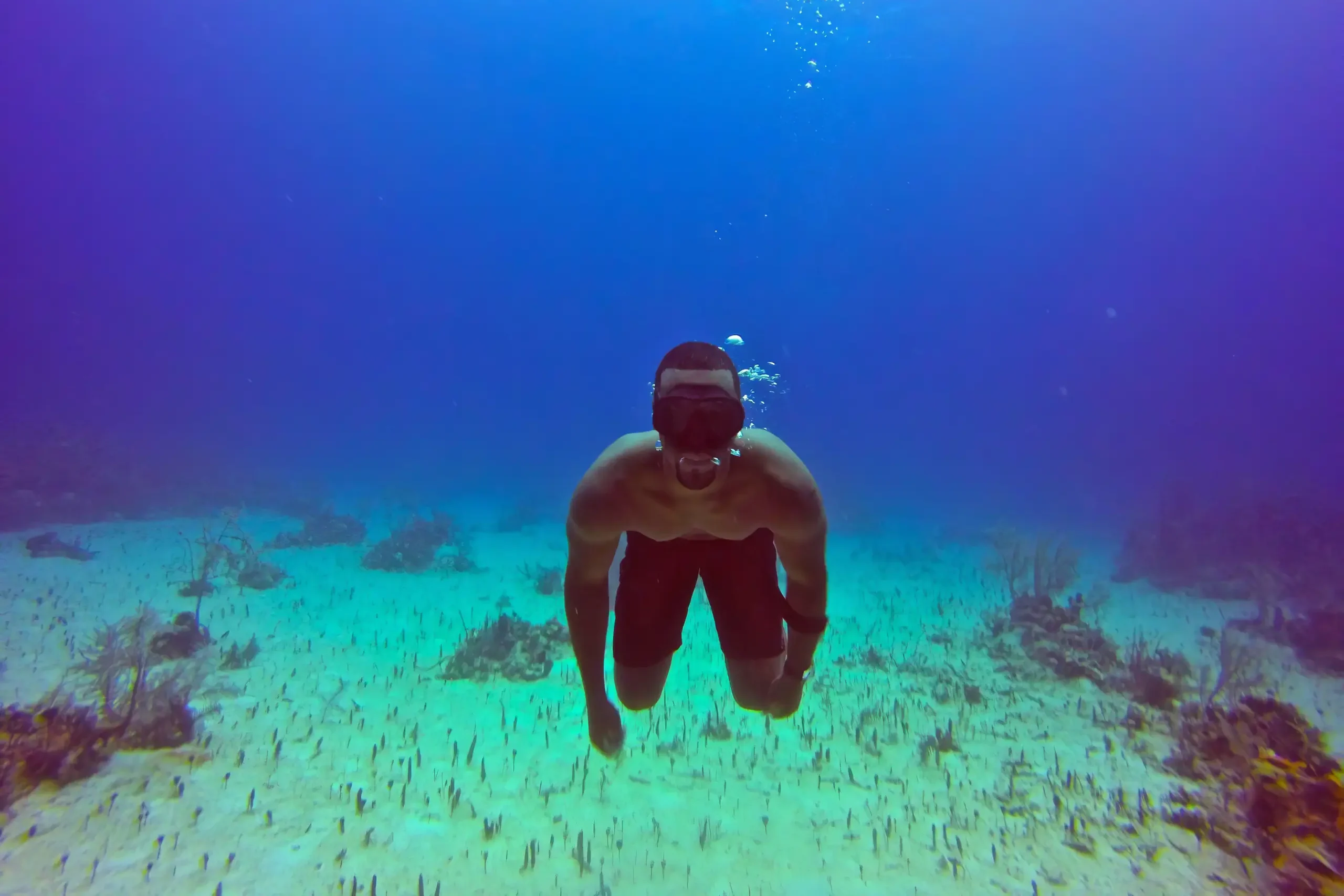
KB: For me, it’s a gateway into truly understanding and “immersing” into a new travel destination. Diving naturally draws me to explore what’s on land as much as what lies beneath the surface — learning about a place’s history, its people and its culture. It sharpens your awareness of the environment you’re in and opens your eyes to animals and ecosystems you would never encounter back home or even elsewhere in the world, both above and below sea level. Each destination has its own rhythm, shaped by geography, tradition and the sea, and diving seems to heighten that connection.