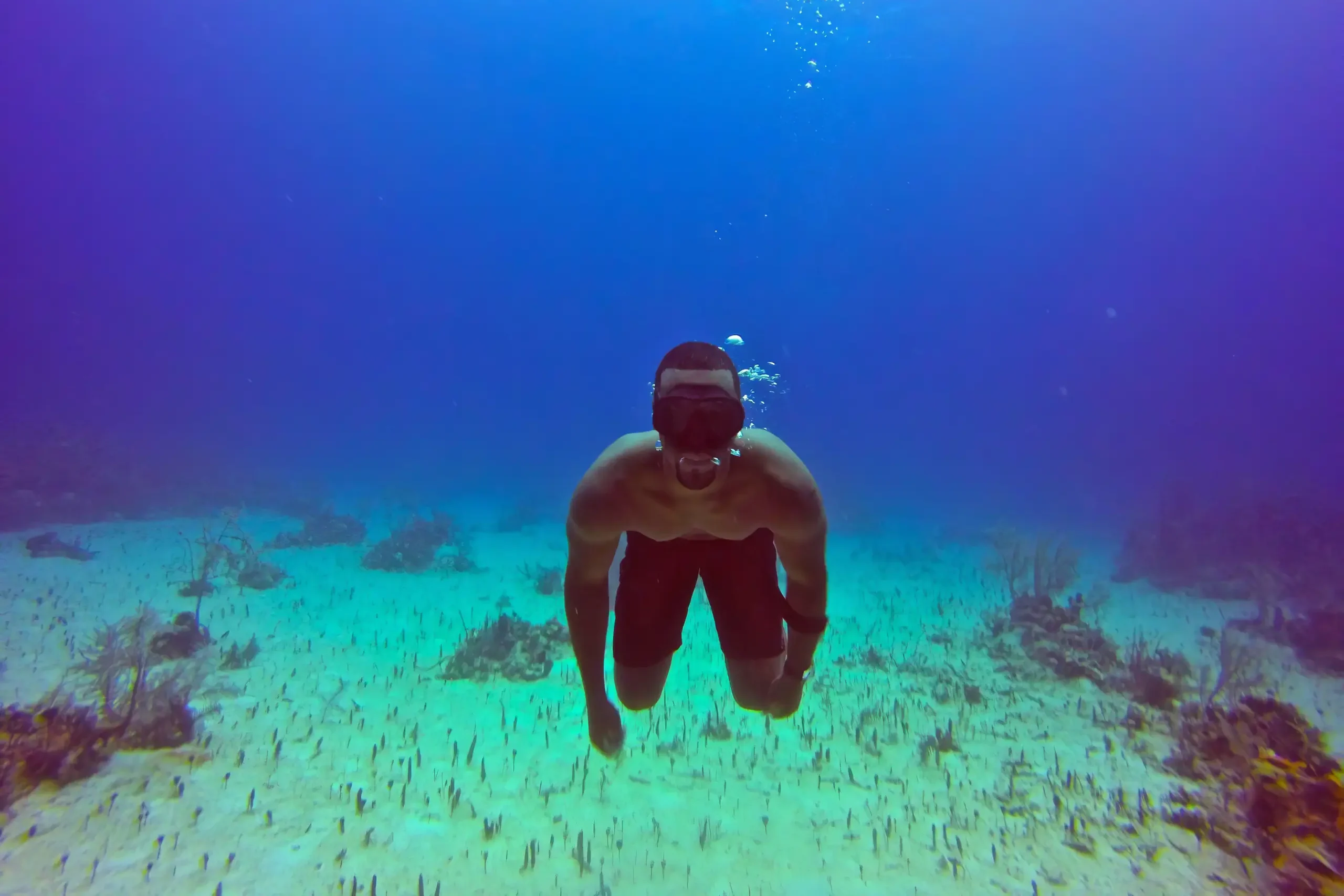
Though she may not have known it then, Michelle Liu-Williamson spent every childhood summer preparing for what would become her life’s work. On par with tradition, her parents would send her to her family’s island of origin, Eleuthera, to stay with family. There, she would stay in a house with her cousins, waking up every morning to the sights and sounds of the ocean and not returning home until dark. “I can’t even begin to describe it,” says Liu-Williamson. “It’s like something you would see in a movie.” Summers of exploration eventually turned from passion to practice. “I knew that I wanted to do something [careerwise] with the ocean. It was so magical,” she says.
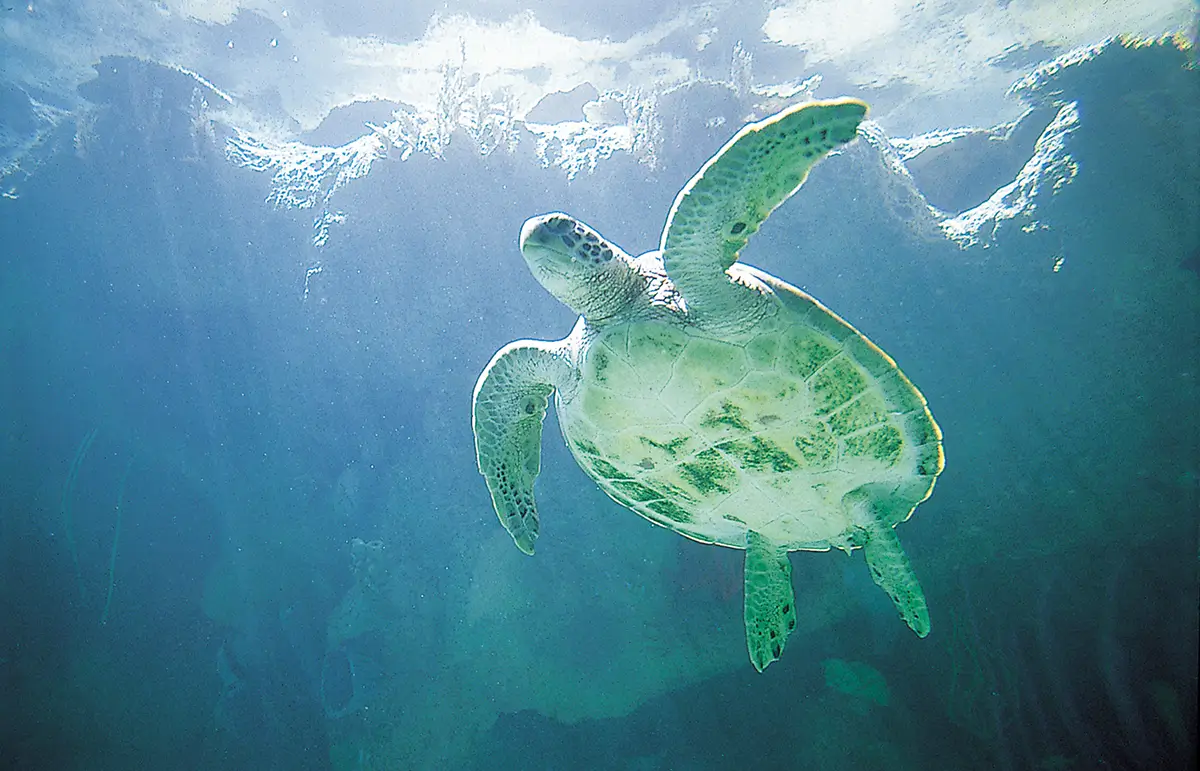
Today, Liu-Williamson is the senior vice president of marine and waterpark operations at Atlantis Paradise Island, where she oversees one of the world’s largest open-air marine habitats. But her love of the ocean is most visible through another role: vice president of the Atlantis Blue Project Foundation (ABPF). Established in 2005, the foundation is dedicated to the preservation and conservation of local ecosystems through education, outreach and research programs funded primarily by Atlantis guest marine experiences. “Our goal is about saving sea life and protecting the habitats in The Bahamas and the surrounding Caribbean Sea,” says Liu-Williamson.
Our goal is about saving sea life and protecting the habitats in The Bahamas and the surrounding Caribbean Sea.”
One main focus of the Blue Project Foundation is coral reef health. With a large portion of Bahamian coral species affected by disease (“It’s like a forest fire that we’re trying to put out,” says Liu-Williamson), the ABPF began looking for ways to take action, partnering with local government and conservation organizations and eventually funding the country’s first coral gene bank — a biosecure facility that will house more than 600 coral colonies at risk from stony coral tissue loss disease. “Right now, it’s preservation mode,” says Liu-Williamson. “The team collects the healthy samples of these at-risk species and puts them in a bank to preserve the genetic tissue. Once they are established, the focus is on getting them to reproduce, and once the disease is gone, we can repopulate.”
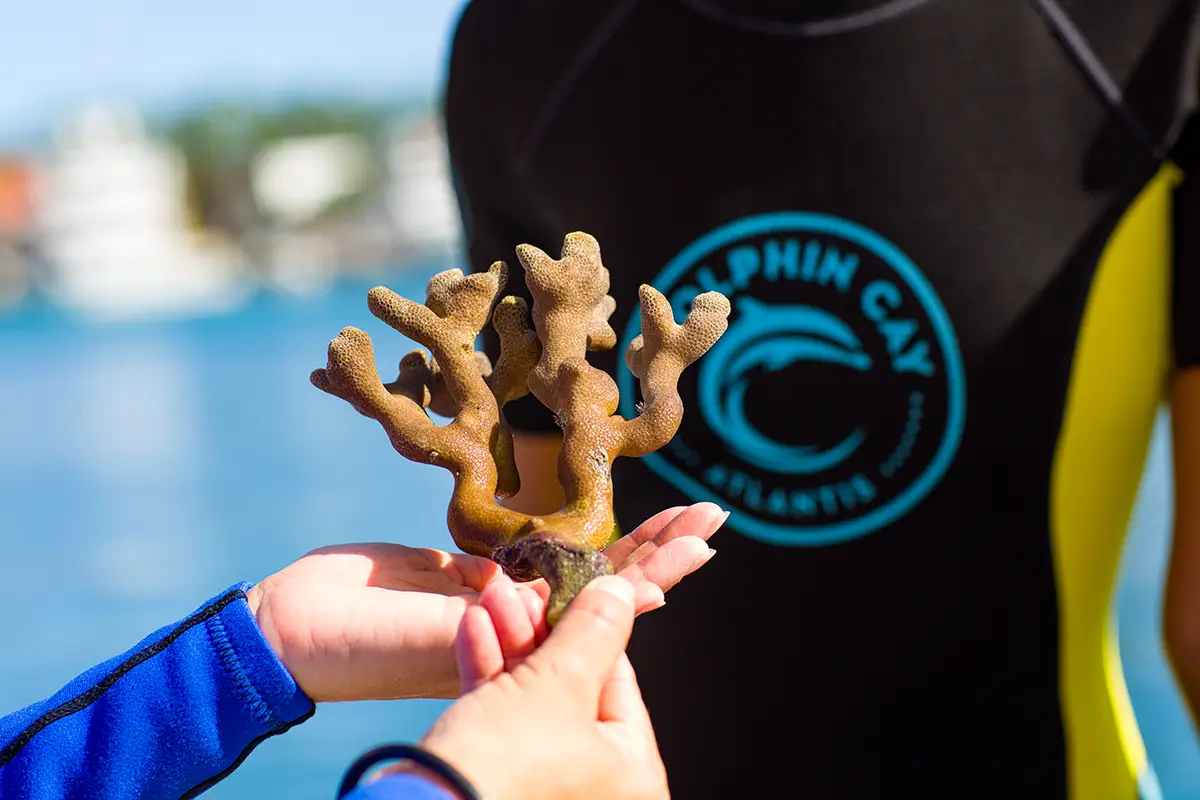
The Blue Project Foundation also funded the country’s very first coral reef report card which provided the health status of 400 reefs throughout The Bahamas; worked with a local nature conservancy to have 1.4 million acres on the west side of Andros island designated as a marine protected area; and have established more than 40 coral nurseries. “[Atlantis] creating the foundation was something that was dear to my heart,” says Liu-Williamson. “I saw what the coral reefs in The Bahamas looked like when I first got into the field, and several years later when they started to decline. And today, they are in a dire state in need of urgent action.”
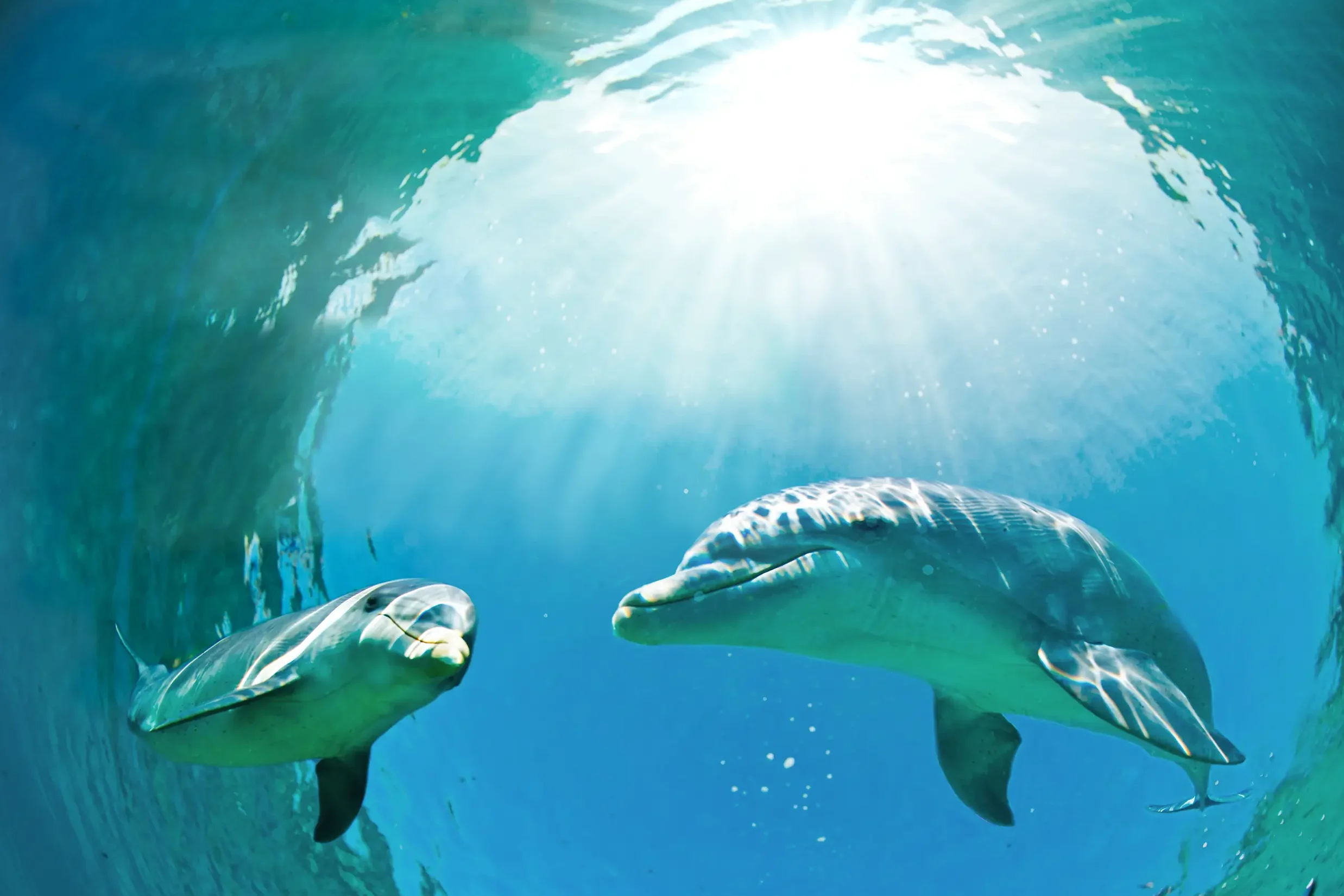
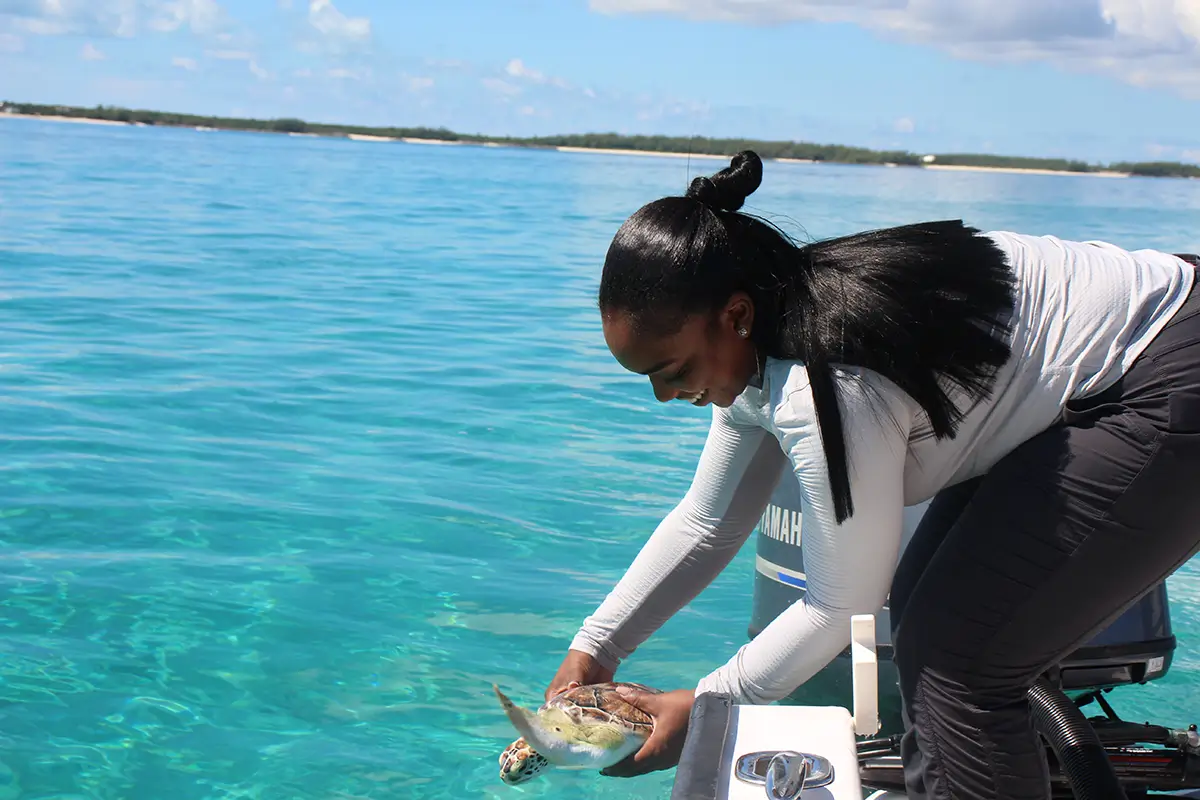
Beyond coral conservation, the Atlantis Blue Project Foundation also supports organizations and initiatives like The Bahamas Marine Mammal Stranding Network. When animals in distress are reported, the experienced Atlantis Rescue Team is ready to respond. Liu-Williamson says they have had “significant success” with animal rescue, rehabilitation and release efforts, including a special Atlantic spotted dolphin, the only known case of a stranded wild dolphin that has been reintroduced and confirmed as thriving with its pod more than five years later. “Being able to rehab and return this dolphin to the wild was significant to the population,” she says.
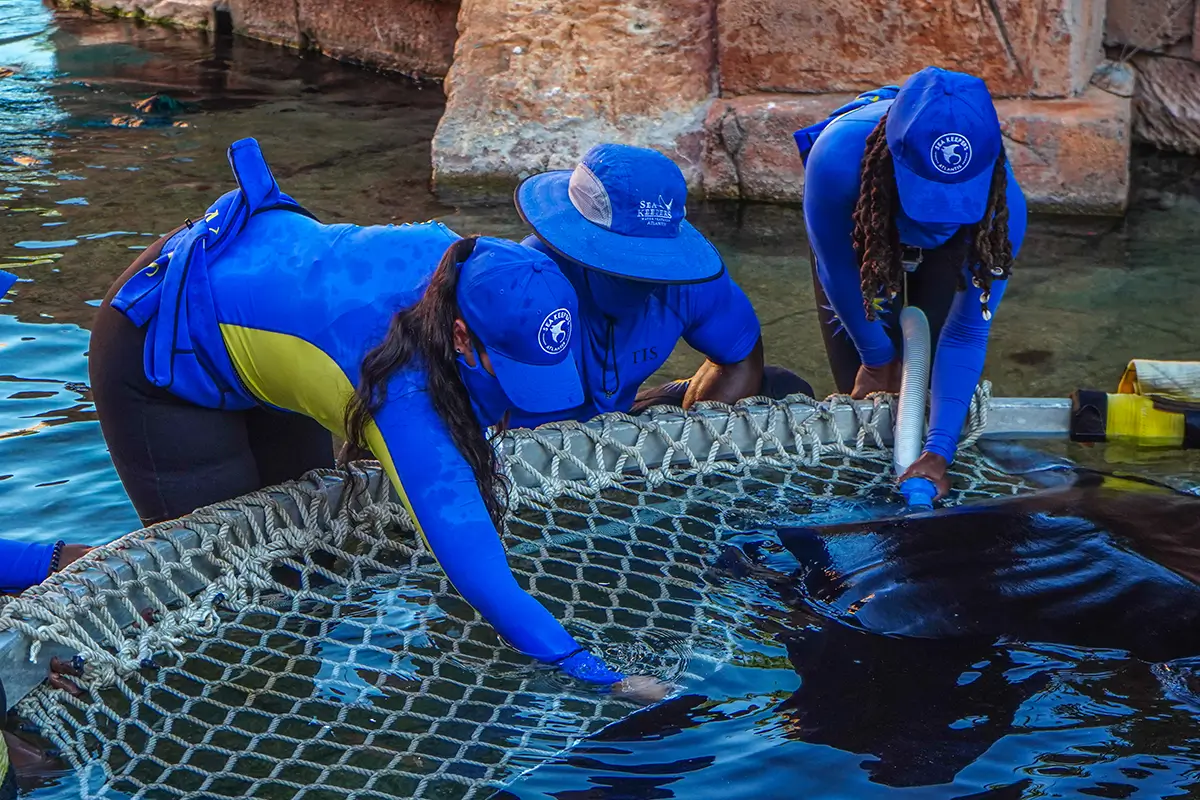
Liu-Williamson also notes that all of the marine mammals (dolphins and sea lions) at Atlantis are either rescued, born at Atlantis, or were transferred from another accredited facility.
Looking forward, Liu-Williamson says the foundation will continue to expand its reach through new initiatives that affect not just marine life, but The Bahamas itself. “So much of our island and the people who live here depend on the ocean,” she says. “If we have dead reefs or the ecosystem is not healthy, it’s a cascading effect that will impact every person living in The Bahamas. The programs we fund are critical not just to the health of the ocean, but also to the Bahamian people in general.”